The Worst Story Ever Told” Number 19 Vol.1
Seven Days of Terror and Murder in Florida
By: Rene Childress
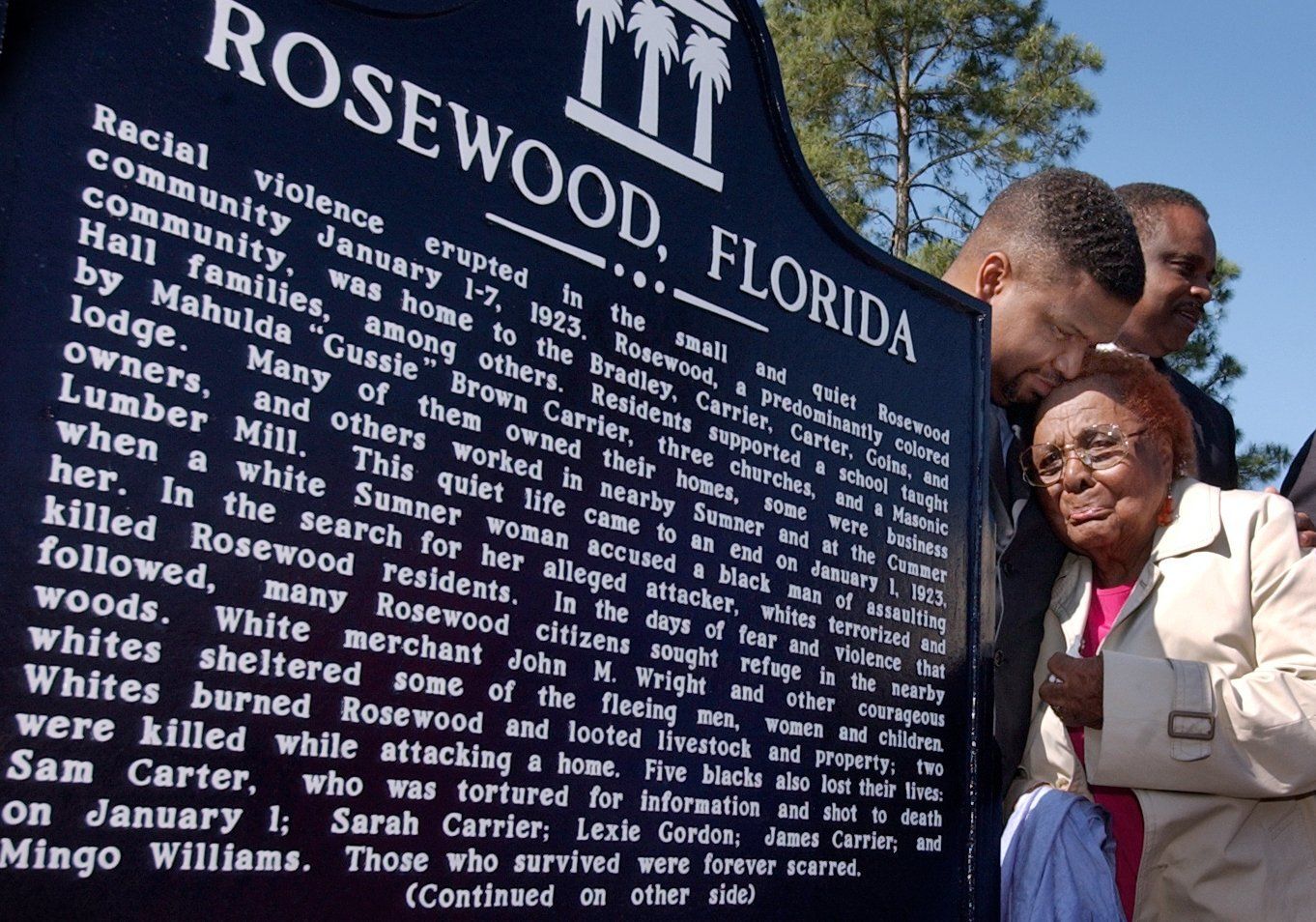
Our next “Worst Story Ever Told brings us to a small hamlet just outside of Gainesville, Florida. It was a settlement established by most accounts in 1847 near Cedar Key, a hush away from the Gulf of Mexico. Its name RoseWood arises from the ruby rich redness of the cedar trees growing in and around this area.
After the end of slavery the newly freed African-Americans were employed in pencil factories, turpentine mills and sawmills. These were in addition to the cotton and citrus farming jobs. This settlement would grow to several hundred inhabitants both Black and White.
By the beginning of the last decade of the nineteenth century this once verdant forest had become denuded from over-lumbering. The sawmills and pencil factories were shuttered. As a result of these shutterings most of the White residents of Rosewood moved on to the exclusively White “Sundown” Town of Sumner.
This in turn developed Rosewood into an almost exclusively black hamlet. It would eventually grow to more than three hundred souls. So much so that it required its own United States Post Office and railway depot. It was never incorporated like many settlements of former slaves trying to live unmolested amongst themselves away from the evergrinding stench of White Supremacy.
The early twentieth century community of Rosewood finds itself surrounded by hostile White neighbors on all sides. It had to endure Governor Napoleon Bonaparte Broward’s suggestion that Florida’s Black population be relocated out of the state during his 1905-1909 term.
Lynchings continued unabated or prosecuted all around them. They lived under a constant shadow of rape, murder and torture. It always rich to see Whites complain about the need to protect ”White Womanhood” when most of the raping done in the south was done by good christian White men against defenseless African-American women.
There are no recorded incidents of Black people killing a White person and arguing over souvenirs of the remains of their victims. There is not a single incident of a Black mob castrating a White man anywhere in this country. Yet it was one of the first things the White mobs turned to.
These atrocities were commonplace among the White monsters that roamed the “Good Old South” in places like the areas around Cedar Key.
Our current story begins not in Rosewood rather it originates in all White Sumner. It is January 1,1923. Frances ”Fannie” Taylor is beaten by her White lover while her husband is at work. She realizes that she needed a story to justify her wounds received during this beating to her husband. She decided to use the tried and true trope that an unidentified “black beast” broke into her house and assaulted her.
She may not have wittingly known that she was to ignite a firestorm that would not be quenched for several days. This does not matter what transpires is a horrific episode that changes the lives and outcomes of generations of the inhabitants of Rosewood. This story has many twists and turns. It has many tellings both official and colloquial.
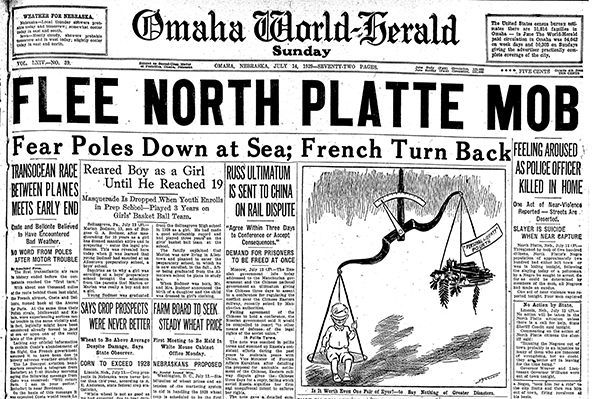
The press including the national press like UPI and New York Times stoked the flames by printing mistruths and rumors spread by local officials and Klansman (Sometimes they are the same source). The official records claim only 6 deaths. The folks of Rosewood claim significantly higher numbers.
They report that there is a mass grave with 27 bodies entombed. The Chicago Defender reports the rape and strangulation of two African-American women that are not included in the so-called official tally.
Here is what we do know. Around the same time of Frances Taylor’s dastardly lie about being assaulted an African-American prisoner named Jesse Hunter had escaped from a nearby chain gang. He quickly became the raison d’etre for the White mobs that would gather from all over the State of Florida and beyond. The pretext of hunting for the escaped convict gave the Klan and its fellow travelers cover for their deeds, Women were raped.
One gentleman named Aaron Carrier was drugged behind a car all the way to the town of Sumner. The town blacksmith Samuel Carter was taken to the woods where he was tortured. He was then shot in the face. His body was then strung up in the trees. His body was found riddled with bullets.
One of the mob scenes developed at the home of Sylvester Carrier. He had gathered several of his extended family and neighbors to make a stand against the coming maelstrom. The Whites arrived at his home demanding that he come out. A gun battle ensued. It lasted all day well into the next morning.
The house was not overrun. The mob lost its will to continue after several of them were shot and killed. In the exchange Sylvester Carrier and Sarah Carrier were both killed. Several of the children were wounded. One child was shot in the eye. The children that were not wounded spirited themselves away into the woods and swamps.
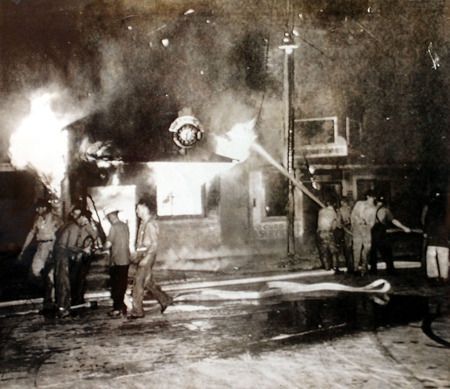
The Whites would lick their wounds for about a day. They returned with a vengeance. For the next 5 days they burned houses, churches and any structure that belonged to any African-American. They beat and killed any black person unlucky enough to be found. They set fire to houses with inhabitants still inside and shot them as they tried to escape the flames.
The only structure left standing was the one White owned house of John Wright the local general store owner. The folks from Rosewood hid in the woods for days on end. Many were in their night clothes because they were accosted in the middle of the night. They eventually made it to other towns where they were able to gain shelter.
For years after this pogrom the story was hidden from view. Neither the African-Americans or Whites would utter a word about the mayhem put upon the Hamlet of Rosewood. The town of Rosewood ceased to exist.
The property of the inhabitants was confiscated for taxes. Again another story where generational damage was done to the well being of African-American heritage. This story has a modicum of reckoning that occurred in 1994.
The Florida State legislature agreed that it failed to protect its citizens in Rosewood. They eventually agreed on a measly one point five million dollar settlement. The average payout amounted to a little over a hundred dollars. While this was an official acknowledgement it was a slap in the face considering the generational harm meted out to the families of Rosewood.” Let Us Not Forget”