Black Organizations Must Unite Now
Pooling Resources for Crack Epidemic Reparations
The crack cocaine epidemic wasn’t a tragedy that befell Black communities—it was an assault perpetrated by government policy at every level. Between 1985 and 1995, federal and state governments collaborated in the systematic destruction of Black neighborhoods through the War on Drugs, implementing sentencing laws that treated crack cocaine 100 times more harshly than powder cocaine despite being the same drug.
The result was catastrophic: hundreds of thousands of Black men and women imprisoned for decades, families shattered across generations, property values decimated as neighborhoods were labeled drug zones, businesses closed and jobs vanished, children raised without parents creating intergenerational trauma that persists today, and community institutions that provided stability and opportunity collapsed entirely.
The economic damage alone runs into the billions—lost wages from mass incarceration, destroyed home equity, eliminated business revenue, and interrupted wealth transfer that would have benefited subsequent generations.
But the social and psychological damage defies easy calculation. How do you measure the cost of a child growing up without their father? An elderly woman dying without family care? A young man whose potential was buried in a prison cell for a nonviolent offense? And now, adding insult to this generational injury, gentrification displaces the very families who survived the worst years, ensuring they won’t benefit from neighborhood recovery they waited decades to see.
The legal and moral case for reparations is ironclad. Both federal and state governments violated the 14th Amendment’s guarantee of equal protection under law through discriminatory enforcement that targeted Black Americans while treating similar drug problems in white communities as public health issues requiring compassion and treatment. The federal government created the legal architecture for mass incarceration and, at minimum through willful negligence, allowed drug trafficking to flourish while prioritizing Cold War objectives.
California amplified this destruction through aggressive prosecution, militarized policing specifically in Black neighborhoods, and state sentencing enhancements that multiplied prison terms.
When Black communities begged for help, they received handcuffs instead of treatment, police instead of social services, prisons instead of opportunity. This wasn’t accident or oversight—it was sustained, coordinated policy.
Precedent for reparations exists: the government compensated Japanese Americans for internment, victims of forced sterilization, and those harmed by radiation experiments. The survivors of the crack epidemic deserve no less. Both governments profited enormously through expanded law enforcement budgets, asset seizures, private prison contracts, and ultimately higher tax revenues from gentrified neighborhoods built on the ruins of destroyed Black communities.
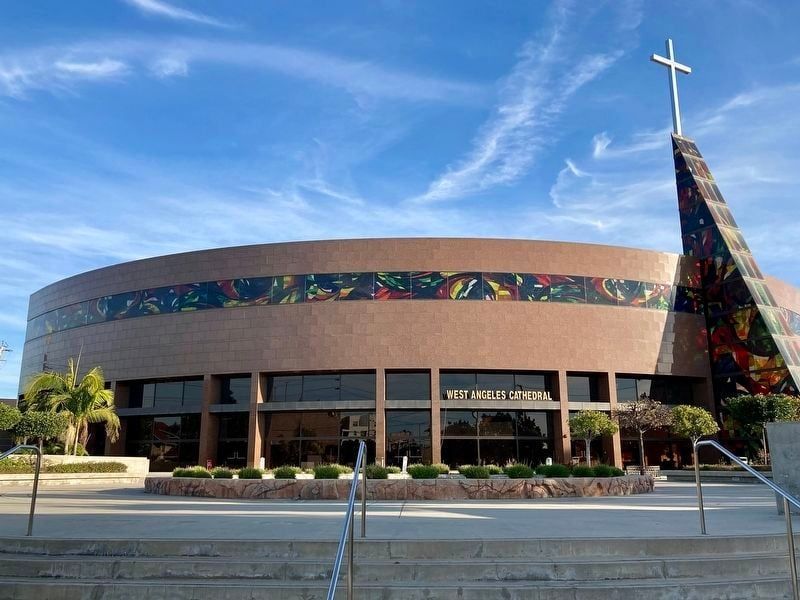
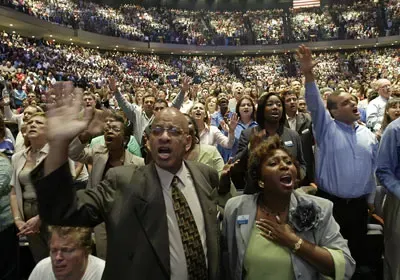
But here’s the hard truth: reparations won’t happen through good intentions or moral appeals alone. Black organizations must pool their resources now to make this happen. The NAACP, National Urban League, Black church denominations, community organizations, legal foundations, professional associations, and HBCUs must create a unified reparations coalition with shared funding, coordinated strategy, and sustained pressure.
We need legal teams filing constitutional challenges and building class action cases. We need economists quantifying damages with precision that courts cannot ignore. We need lobbyists drafting legislation at state and federal levels and mobilizing political support. We need communications professionals running public education campaigns that refuse to let this history be sanitized or forgotten. We need organizers mobilizing survivors and their families to testify, protest, and demand accountability. This requires millions in pooled resources, but Black organizations collectively have the capacity if we prioritize this cause.
The alternative is watching survivors age and die while their children inherit poverty and their grandchildren face displacement from communities their families built. Time is our enemy now. Every year we wait, more witnesses pass away, more evidence fades, and more families lose their remaining connections to these neighborhoods. Black organizational leadership must answer this moment with the same courage and coordination that won us the Civil Rights Act. The debt is owed. The case is solid. All that’s missing is unified action. Will we demand what we’re owed, or will we let this injustice join the long list of crimes against Black America that went unaddressed? The choice, and the responsibility, is ours.
The Umoja Group’s mission is to bring entities together to create solutions for the problems facing the Black community, resulting in socio-economic empowerment!